
 Free Consultation
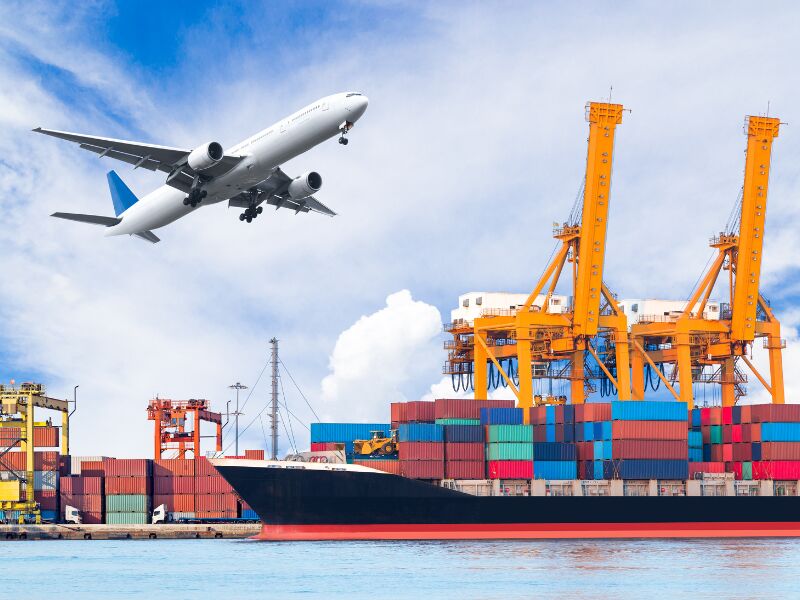
Freight rates and shipping capacity have become operational variables, not background costs. When ocean prices jump, truck appointments slip, or container space tightens, the impact hits purchasing, production planning, and customer promises. For companies that move goods across borders, including many in New Jersey, these swings can turn a well-priced quote into a margin squeeze overnight. Trade volatility is not only about policy; it is also about how fast cargo can move, at what price, and with what level of reliability.
In this blog, let’s discuss how freight rates and capacity translate into day-to-day decisions. From port fees and schedule changes to tariffs layered on top of logistics bills, the challenge is balancing speed, cost, and risk. The point is not to memorize every index, but to understand the levers that make shipments quickly more expensive, delayed, or rerouted.

Freight Rates Explained
A freight rate is rarely “just the price of shipping.” It is a bundle of costs that changes based on route, timing, equipment, and risk. Ocean carriers price differently for spot bookings versus long-term contracts, and both can be affected by sudden surcharges during peak demand. On land, trucking and rail rates can swing when drivers are scarce, fuel prices move, or warehouses are congested. The result is a moving target that tests how quickly a business can reprice, reroute, or renegotiate.
To understand your bill, it helps to separate the main building blocks:
- Base transport rate (ocean, air, truck, or rail)
- Fuel and seasonal surcharges
- Terminal handling and documentation fees
- Accessorial such as chassis, lift-gate, or special equipment
When teams can explain which component is rising, they can respond with precision instead of broad cost-cutting that disrupts service.
Capacity and Constraints
“Capacity” sounds like a big, abstract number, but operationally it means: can you get a slot, a container, a truck, and a delivery appointment when you need it? Capacity tightens when ships are removed from a lane, when carriers cancel sailings, or when empty containers end up in the wrong places. It can also tighten onshore when terminals run short on labor, when chassis supply is limited, or when warehouses cannot receive freight fast enough.
Common capacity choke points include:
- Blank sailings, slower steaming, and schedule changes
- Equipment imbalance (too many empties in one region, not enough in another)
- Drayage and trucking bottlenecks near major ports
- Limited air cargo space during high travel seasons
Capacity issues often cost more than the rate itself, because they create delays, expedite fees, and missed sales windows.

Port Fees and Delays
Ports are not just entry points; they are cost engines. Port congestion, staffing levels, and terminal procedures can turn a routine shipment into a string of unexpected costs. When cargo sits longer than planned, storage charges and time-based fees can pile up quickly. Even minor operational changes, like a new appointment process or shorter gate hours, can leave trucks waiting, trigger rebooking, and add billable hours.
For firms moving freight through the New York–New Jersey port complex or nearby East Coast gateways, port conditions are felt immediately in daily operations. Practical impacts often show up as:
- Extra “touches” of cargo (re-handling, re-stacking, additional dray moves)
- Missed delivery appointments and warehouse overtime
- Higher per-unit costs on low-margin products
The fastest way to lose control of logistics spend is to treat port delays as rare events rather than recurring constraints.
Tariffs Meet Logistics
Tariffs and freight do not operate separately; they stack onto the same landed-cost calculation. When duties rise at the same time as transport rates, the combined effect can squeeze margins hard enough to change which products are worth importing at all. Even when tariff rates stay stable, logistics volatility still changes the final cost per unit once port fees and accessorial charges are included.
Operationally, the pressure shows up in timing and paperwork discipline. A shipment that arrives during a policy shift might be assessed differently from one that cleared the docks earlier, and small mistakes can translate into big expenses in a hurry. Misclassification, incomplete paperwork, or inconsistent product descriptions can lead to holds, exams, rework, or rerouting. Those delays often create knock-on charges such as storage, drayage rescheduling, or expedited last-mile delivery to catch up.
A useful mindset is to treat “duty risk” and “freight risk” as one shared problem. Procurement, logistics, and finance should review exposures together, agree on who owns classification and documentation quality, and decide in advance when to pause orders, reprice, or change routing. The goal is fewer surprises at the exact moment the supply chain can least afford them.
Budgeting for Volatility
Many businesses budget freight as a fixed percentage of sales, which works only in calm markets. In volatile markets, budgeting needs range, triggers, and a plan for who decides what. A useful approach is to build a “base case” rate assumption and then model two stress cases: one for capacity tightening and another for combined rate and duty pressure. This turns freight from a shock into a managed scenario.
Helpful practices include:
- Setting review points (monthly or quarterly) for rate changes and surcharges
- Using split sourcing or split routing so one lane cannot break the whole plan
- Adding time buffers for high-risk moves to reduce expensive expediting
- Tracking three numbers consistently: cost per unit, transit time, and reliability
Another pragmatic step is to determine which flows are deserving of contract protection and which can remain flexible. More stable, high-volume lanes can often be based on longer-term agreements with clearly defined surcharge rules and service expectations, while smaller or seasonal moves could potentially be best accounted for through spot pricing with backup carriers. When leadership sees freight and capacity as strategic inputs, budgets become tools for action, not just reports of what went wrong.

Operational Moves Today
Becoming more resilient does not require a perfect forecast; it requires repeatable habits. Start with visibility: know where freight is, what it costs, and what your “plan B” is if capacity disappears. Then tighten execution: reduce avoidable fees, shorten dwell time, and standardize hand-offs between teams. Finally, communicate early with customers when costs or timelines shift, because late updates are where trust erodes.
Practical moves that often pay off quickly:
- Confirm receiving capacity before dispatch to avoid terminal and warehouse bottlenecks
- Negotiate clearer service terms (cut-off times, free time, escalation contacts)
- Use multimodal options when one mode is constrained
- Document decision rules for when to reroute, rebook, or hold orders
The goal is not to chase the lowest rate every week. It is to build a system that keeps goods moving, even when rates and capacity refuse to behave.
Flexibility Wins
Freight markets behave a bit like weather: you cannot stop the storm, but you can read the forecast and build a stronger roof before it turns into a budget surprise. Rates and capacity will keep swinging because demand, fuel, geopolitics, labor, and policy do not move in sync. What separates stable operators from stressed ones is not secret access to cheaper lanes; it is clearer visibility and faster choices.
When a shipment becomes expensive, the fix is rarely one magic move. It is usually a mix of cleaner data, tighter vendor terms, smarter routing, and disciplined communication across teams. For trade-dependent regions along the Northeast corridor, those habits protect customer trust while keeping cash and inventory under control. If trade volatility is the new normal, freight planning becomes a daily skill: consistently observe, adjust, and keep the operation moving calmly.
People Also Ask
Q1. Why do freight rates change so quickly?
Rates move when fuel, demand, available equipment, and carrier capacity shift. A disruption on a major route or a surge in seasonal demand can tighten space, which pushes up spot prices and triggers extra fees.
Q2. What is the difference between a low rate and a low total cost?
A low base rate can still lead to high total cost if delays create storage, detention, re-delivery, or expediting charges. Total cost includes reliability, time, and the fees that appear when plans slip.
Q3. What is one simple way to reduce surprise charges?
Track dwell time and “free time” rules at terminals and warehouses, then assign ownership for preventing overruns. Many surprise fees are avoidable when responsibilities and cut-off times are clear.