
 Free Consultation
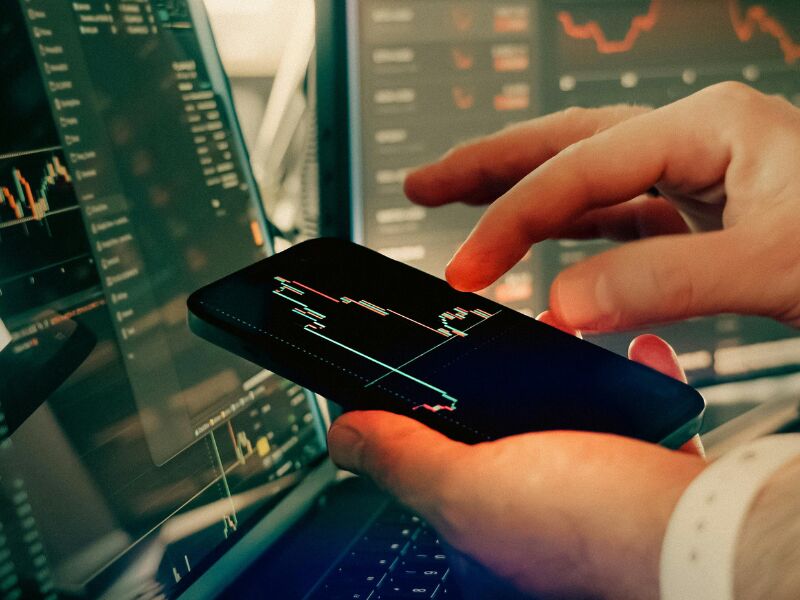
International trade is no longer a background system; it is something businesses watch on their screens. Exchange rates, tariffs, port delays, and policy changes appear in real time and immediately affect planning. Firms whose operations hinge on importing and exporting goods, particularly in New Jersey, can see a single disturbance affect their costs, delivery timelines, and client relationships. The assumption that international trade now moves in a stable, predictable pattern has largely disappeared.
In this blog, let’s discuss how global trade dynamics are shifting in real time. Instead of one predictable route from factory to customer, supply chains now behave like flexible networks that must absorb constant shocks. A blockage, a new sanction, or a jump in freight prices can force businesses to rethink sourcing and pricing within days. Understanding this new reality is the first step toward decisions based on awareness, not panic.

From globalization to fragmentation
For decades, trade policy pushed toward more open borders and lower tariffs. The goal was simple: make it cheaper and easier to move goods across countries so everyone could specialise and gain efficiency. That period has not disappeared, but it has been sharply interrupted by new geopolitical tensions. Governments now speak more often about “national security” and “strategic industries” than about simple cost savings.
Instead of one integrated system, trade is slowly splitting into overlapping blocs. Countries form closer ties with partners they trust and quietly reduce exposure to those they see as rivals. Companies feel this change when they are asked to “friend-shore” or “near-shore” production, even if the financial math is less attractive than before. What sounds like a distant policy debate often becomes a line item on a logistics invoice a few months later.
Shocks in plain view
One of the most striking changes is how quickly trade shocks are now visible. A blockage in a major shipping canal, a conflict near a key sea route, or an export restriction on a critical raw material can be tracked almost minute by minute. Businesses can watch vessel tracking dashboards, port congestion maps, and commodity price charts and see disruptions unfold in front of them.
This level of visibility is useful, but it also highlights how fragile some supply chains have become. A delay at a single port can:
- Push back delivery schedules for entire product lines
- Trigger penalty clauses in contracts with buyers
- Force urgent and expensive air shipments as a backup
The ability to “see” disruption in real time does not remove the shock; it simply shortens the time between warning and impact.
Tariffs and policy swings
Another permanent shift is the way tariffs and sanctions are used as ongoing policy tools rather than rare events. Companies can no longer assume that tariff schedules will stay fixed for years at a time. Instead, they must be ready for changes driven by political negotiations, trade disputes, or security concerns.
Policy swings create three practical pressures:
- Pricing models must include room for sudden cost increases
- Contracts need clauses that address new duties or restrictions
- Finance teams must recalculate margins when policies change
For businesses in trade-exposed regions, including those in New Jersey that depend on overseas inputs, it is no longer enough to “check tariffs once” when setting up a supply chain. Policy has become a moving variable, not a static background condition.
Technology for trade visibility
Today’s conditions make technology less of an upgrade and more of a lifeline. Businesses are turning to live updates on freight prices, inventories, and port traffic to decide their next steps. With tracking software, digital customs systems, and instant notifications, teams can adjust plans much faster whenever a shipping path becomes unreliable or unaffordable.
Some of the most practical uses of data include:
- Comparing shipping options in real time across different routes
- Monitoring inventory in multiple locations to avoid stockouts
- Simulating “what if” scenarios for major trade disruptions
These tools do not remove uncertainty, but they make it easier to see which risks are manageable and which ones require structural change.
Local impact, local choices
Although trade dynamics play out on a global stage, their impact is always local. Businesses in port states, logistics hubs, and manufacturing regions feel the effects first. A change in container rates can decide whether a local warehouse expands or downsizes. A new restriction on a foreign supplier can influence hiring plans at a regional factory or distribution center.
Local companies are learning that they cannot treat global trade as a distant, abstract topic. Practical questions arise, such as:
- Should we depend on one overseas supplier for key components?
- Can we maintain safety stock without locking up too much cash?
- What happens to our prices if shipping costs double again?
These questions show that global volatility and local decision-making are now tightly linked, especially for communities that sit close to major trade routes or ports.
Balancing cost and resilience
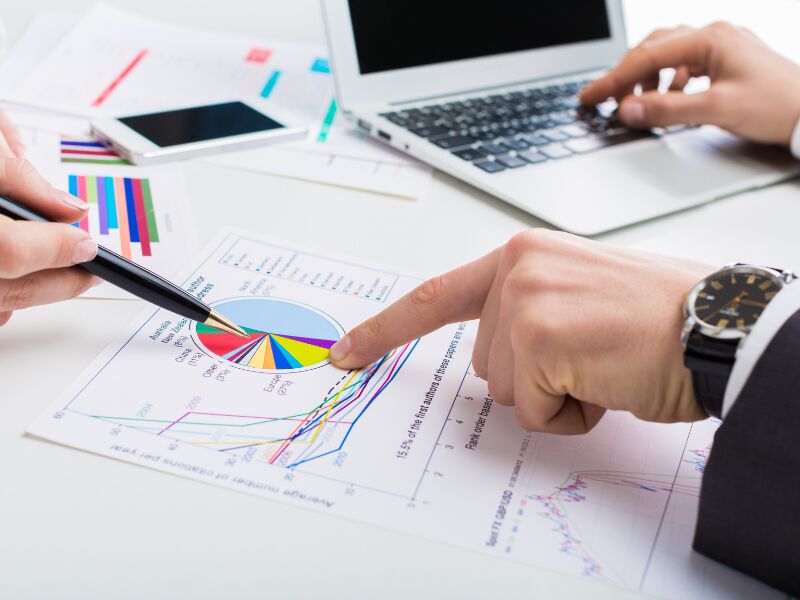
For many years, the main goal in supply chain design was to reduce costs wherever possible. Just-in-time inventory, single-source suppliers, and highly optimized routes were celebrated as best practices. The last decade of shocks has forced a rethinking of that mindset. Cost still matters, but resilience has become equally important.
Businesses are now weighing:
- Redundancy against waste
- Speed against vulnerability
- Global reach against regional focus
The organizations that cope best with permanent volatility are those that treat resilience as an everyday discipline, not as an emergency project performed after something has already gone wrong. They build small buffers into contracts, inventory, and supplier relationships so that a single disruption does not become a full-scale crisis.
Seeing trade clearly
The permanent shift in global trade dynamics is not only about new tariffs or altered shipping lanes. It is about learning to see international commerce as a live dashboard that never switches off. When leaders watch that dashboard with curiosity instead of fear, ask hard questions, and admit that yesterday’s map may be wrong today, volatility becomes something to work with, not just something to endure.
The human side of this shift is the test. Behind every graph of freight rates or container volumes are teams, suppliers, and neighborhoods that carry the impact of each delay or policy change. When decision-makers spread risk instead of concentrating it and share information instead of hiding it, they build organizations that stay steady while the trade landscape keeps moving. Observing the transition in real time then becomes a daily habit, not a shock.
Frequently Asked Questions
Q1. Why are global trade dynamics considered “permanently” changed?
They are considered permanently changed because the drivers of volatility are now structural rather than temporary. Geopolitics, strategic competition, and policy swings have become built-in features of the system, so companies must plan for ongoing turbulence instead of waiting for a full return to earlier stability.
Q2. How can smaller businesses monitor international trade shifts effectively?
Smaller businesses can follow a few simple practices: track basic indicators such as freight rates and lead times, stay in contact with logistics partners about emerging delays, and review key supplier and customer contracts at regular intervals. Even modest, routine monitoring can provide early signals that it is time to adjust orders, pricing, or inventory.
Q3. What practical steps help organizations adapt to this new environment?
Useful steps include diversifying critical suppliers, building flexible contract terms that anticipate tariff changes, and maintaining a clear view of inventory across locations. Regular scenario planning, even in simple workshop form, helps teams rehearse how they would respond to specific shocks and makes the eventual decision-making faster and more confident.