
 Free Consultation


KEYPOINTS:
- Wars can force businesses to change suppliers, brokers, and shipping routes.
- Apostilles help foreign parties trust official supply chain documents.
- Supply chain delays often begin with unclear or incorrect paperwork.
- Powers of attorney and company records may need apostille support abroad.
- Document errors can slow shipments, payments, and broker approvals.
- Apostille planning does not replace customs or sanctions compliance checks.
- Early document review helps businesses avoid repeated signing and delays.
- Prepared records support smoother global supply chain communication.
Wars and regional conflicts can quickly change trade flows, the location of suppliers, and the paperwork that foreign partners require. This creates real apostille challenges for New Jersey businesses tied to global supply chains. A shipment may be rerouted, a supplier may relocate to another country, or a foreign buyer may require new proof before accepting goods. At such times, documents such as powers of attorney, company records, compliance statements, and authorization letters may require notarization, certification, or apostille for international use. New Jersey apostille services can help businesses prepare certain official and notarized records so they are more likely to be accepted abroad. When wars reshape supply routes, strong document preparation reduces confusion, supports overseas communication, and keeps urgent commercial steps from being delayed by preventable paperwork problems.
Conflict Disrupts Trade Routes
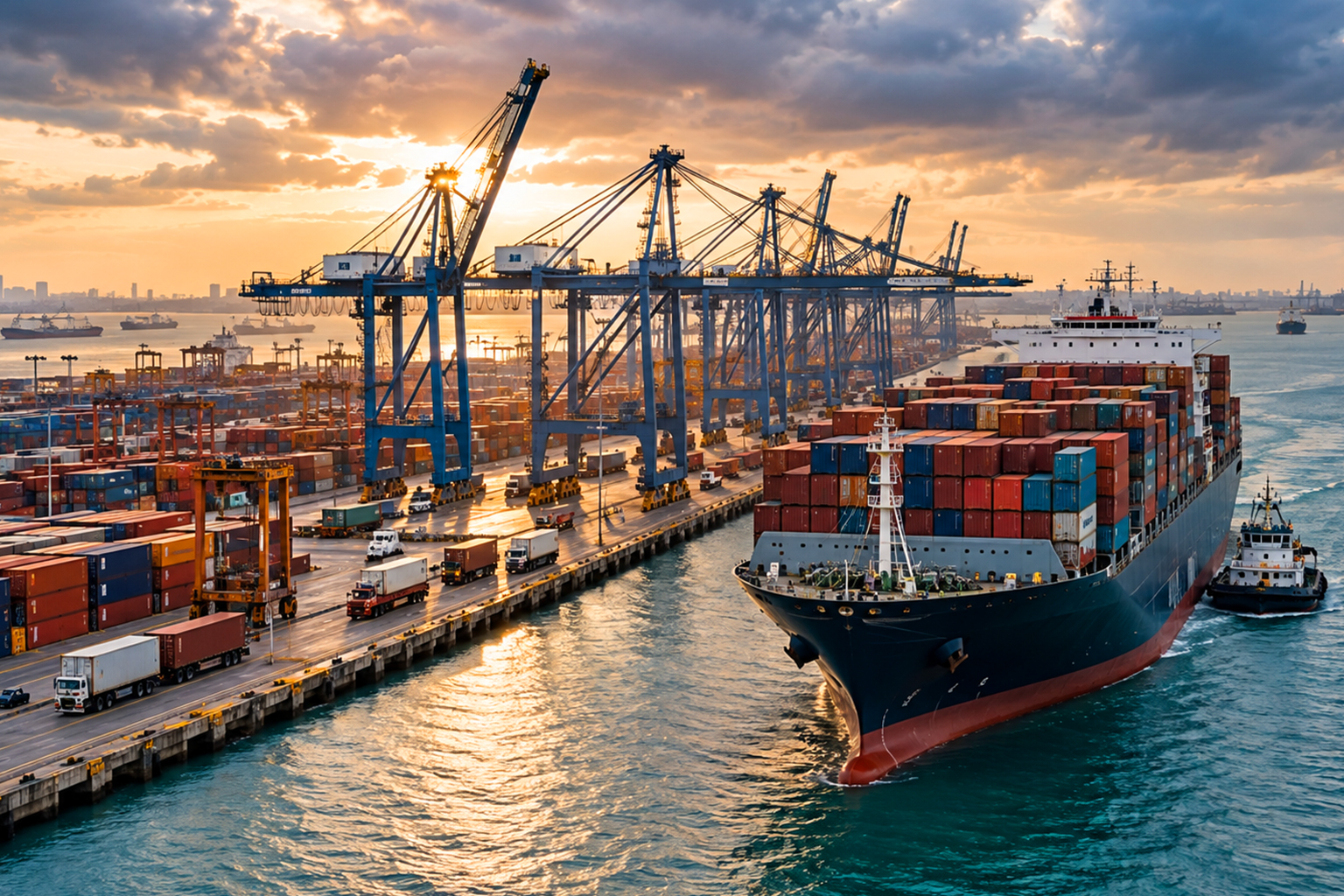
War can disrupt supply chains in sudden, unfair ways. Shipping lanes may become risky. Ports may slow down. Sanctions may affect suppliers or buyers. Insurance costs may rise. A company that once worked through one country may need to shift production, storage, or distribution to another region.
When these changes happen, documents often need to move fast. A New Jersey importer may need to appoint a new overseas agent. A manufacturer may need to prove company authority to a replacement supplier. A logistics company may need an authenticated power of attorney for a customs broker in a new country.
These are not just office tasks. They can affect whether goods move, contracts continue, and buyers receive products on time. In unstable conditions, documents become part of business continuity.
Documents under New Scrutiny
When conflict reshapes trade routes, foreign partners may review documents more carefully. They want to confirm who is signing, which company is responsible, and whether the document is trustworthy in their country. This is where international document authentication becomes useful.
Common records that may need apostille support include:
- Powers of attorney for customs brokers
- Certificates of good standing
- Corporate authorization letters
- Board or member resolutions
- Supplier appointment documents
- Distributor authorization records
- Affidavits linked to shipment or ownership
- Notarized translations for foreign offices
For example, a New Jersey company that previously shipped through one region may need to work with a new freight partner in another country. That partner may ask for an apostilled authorization before handling customs paperwork. If the company is not ready, the rerouted shipment can face another delay.
Why Apostilles Matter Now
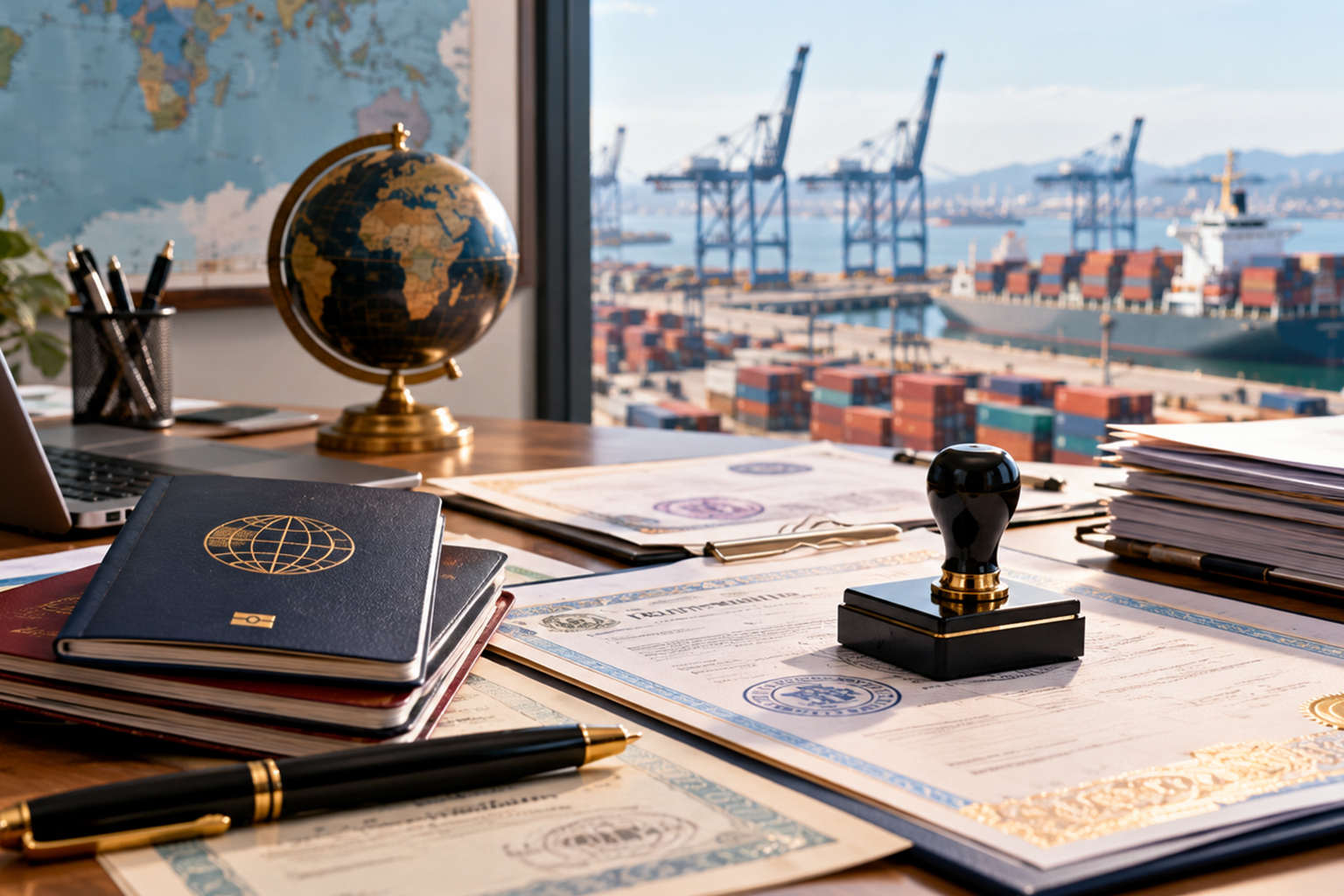
An apostille helps confirm the authenticity of a public official’s signature, seal, or authority on a document. In simple terms, it helps certain New Jersey documents become more acceptable in another country that recognizes Apostilles.
This matters during supply chain disruption because companies may need to prove authority quickly. A foreign broker may need permission to act. A new distributor may need proof of appointment. A bank may need company records before releasing funds. A government office may ask for authenticated records before accepting a filing.
Still, an apostille does not prove that goods are safe, legal, or cleared for export. It does not replace customs advice, sanctions screening, or trade compliance review. It only supports document authentication. The document itself must still be accurate, complete, and properly prepared.
What Should Companies Check?
Before sending documents abroad, New Jersey businesses should confirm what the foreign recipient actually needs. This step is simple, but it often prevents major delays. In conflict-affected markets, requirements may change quickly, and different offices may ask for different formats.
Before requesting an apostille for supply chain documents, businesses should check:
- Which country will use the document
- Who will receive the document
- Whether notarization is required first
- Whether original signatures are needed
- Whether a translation must be attached
- Whether the signer has clear authority
- Whether the company name matches official records
- Whether supporting documents must travel with the main record
This is especially important for apostille for New Jersey logistics documents used abroad, because logistics paperwork may pass through brokers, banks, ports, agencies, and legal teams before a shipment reaches its final destination.
Delays That Hit Shipments
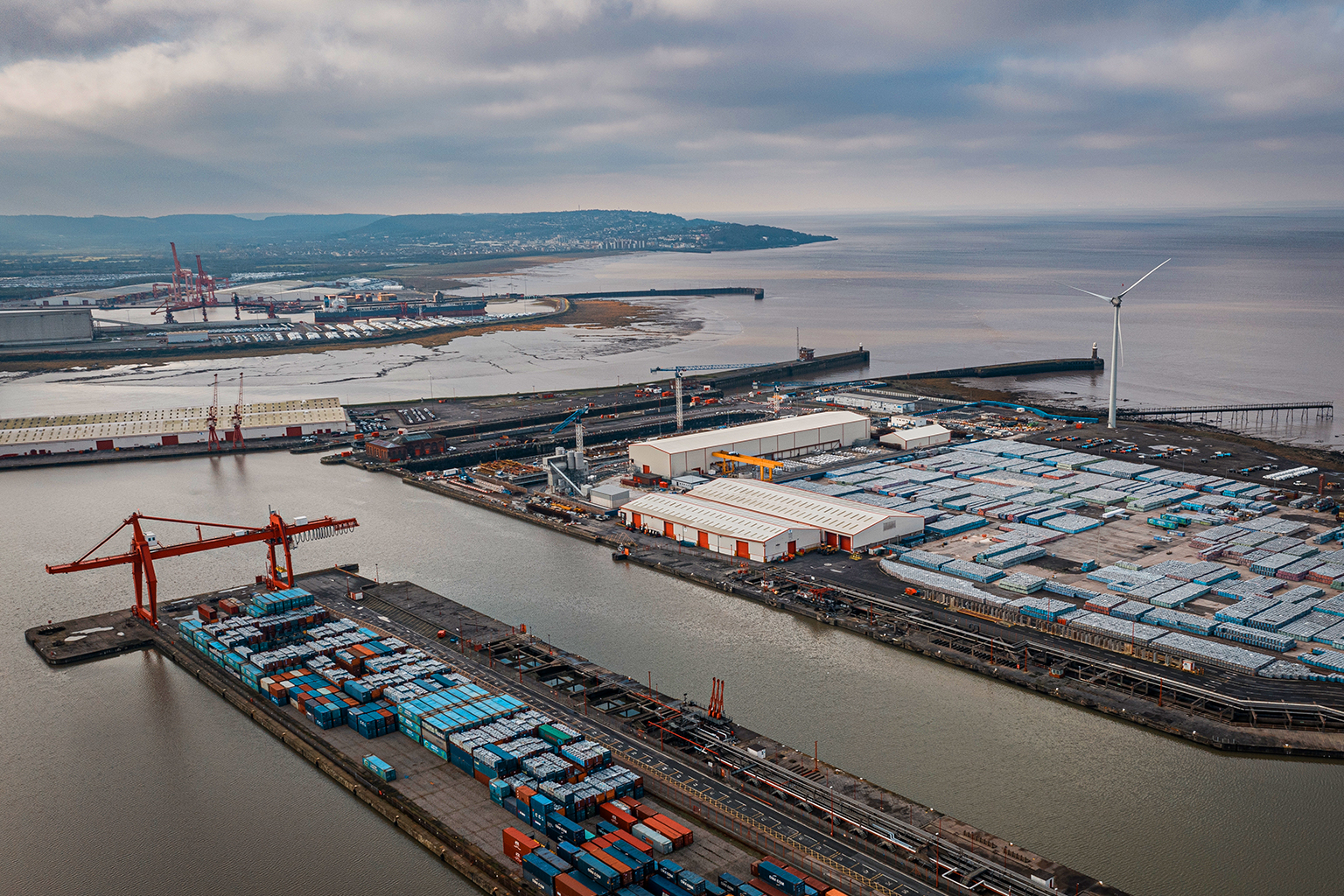
Supply chain document delays often start with small errors. A company may use a short trade name instead of its legal name. A signer may leave out an officer title. A notary section may be incomplete. A translation may be requested after the document has already been apostilled.
These mistakes can cause problems such as:
- Customs brokers refusing to act
- Banks holding payment review
- Foreign suppliers asking for revised records
- Buyers questioning company authority
- Shipments waiting for corrected documents
- New routes opening slower than expected
- Legal teams requesting repeated signatures
Imagine a New Jersey medical supply company trying to reroute materials because a war has disrupted its usual shipping path. The new overseas broker asks for an apostilled power of attorney. The company sends one, but the signer title does not match the corporate resolution.
The broker pauses the process, and the company must sign, notarize, and apostille the corrected document again.That delay may affect more than one shipment. It may affect hospitals, buyers, or partners waiting for the product.
Where Apostilles Are Used
Apostilles can be useful at several points in a disrupted supply chain. They may support emergency vendor changes, new customs relationships, banking reviews, overseas warehouse agreements, or distributor changes. They can also help when a company must prove authority to a foreign office.
Apostilled documents may be used for:
- Appointing a new foreign customs broker
- Authorizing an overseas logistics partner
- Supporting foreign bank or payment review
- Proving active company status
- Confirming authority for supply contracts
- Handling warehouse or distributor paperwork
- Supporting legal filings in another country
- Preparing translated records for local use
This is where global supply chain document apostille support becomes practical. It helps businesses prepare records before they are questioned abroad. In tense markets, that preparation can save time and protect important commercial relationships.
Prepared Records Reduce Risk
Wars can reshape global supply chains with little warning. New Jersey companies cannot control closed routes, political instability, sanctions pressure, or foreign banking delays. They can control whether their documents are ready when a broker, bank, supplier, buyer, or overseas agency asks for proof. Careful apostille planning can make a difficult situation easier to manage.
The best approaches is to confirm requirements early, prepare clean records, match names and signer titles, complete notarization correctly, and allow enough time for apostille processing before a shipment or filing deadline becomes urgent. At New Jersey Mobile Notary & Apostille Services, our team helps businesses prepare supply chain-related documents for overseas use with steady review and practical support. Our professionals understand that one rejected document can slow a shipment, weaken trust, or affect a critical supply relationship, so we help clients organize records before they travel abroad.
Frequently Asked Questions
Question: Do all supply chain documents need an apostille?
Answer: No. Regular invoices, packing lists, and shipping emails usually do not need an apostille. Apostille support is more common when a document proves company authority, an agent’s appointment, business status, or permission to act abroad.
Question: Why do wars increase apostille challenges?
Answer: Wars can force companies to change suppliers, routes, brokers, banks, or distributors. When new parties become involved, they may ask for authenticated documents before accepting responsibility or moving the process forward.
Question: Can an apostille replace trade compliance review?
Answer: No. An apostille only authenticates the public official or notary connected to a document. It does not confirm sanctions clearance, customs approval, export legality, or product compliance.
Question: Which documents should companies review first?
Answer: Businesses should first review powers of attorney, certificates of good standing, corporate authorization letters, board resolutions, supplier appointment records, and notarized translations used in another country.
Question: When should apostille planning begin?
Answer: Start apostille planning as soon as you may need a document abroad. Early planning helps avoid repeated signing, notary errors, translation delays, and missed shipment or payment timelines.
