
 Free Consultation

KEYPOINTS:
- Biotech companies need Apostille planning when official documents are used outside the United States.
- Apostille help foreign partners trust notarized or official biotech records.
- Global regulatory changes make biotech document accuracy more important than ever.
- Common Apostille documents include board resolutions, powers of attorney, and company records.
- Small mistakes in names, titles, signatures, or notarization can delay international filings.
- Biotech teams should confirm foreign document requirements before signing or submitting records.
- Apostille support can help prevent delays in research deals, licensing, and overseas registrations.
- Careful document preparation protects business timelines, partner trust, and regulatory progress.
Biotech companies work in a field where paperwork can be just as important as science. A research deal, clinical partnership, product filing, licensing agreement, or overseas investment may depend on whether the right documents are accepted abroad. When global regulations keep changing, foreign agencies and business partners look more closely at company records, signed authorizations, and notarized documents. For New Jersey biotech firms, apostille risks usually appear when documents need to be used outside the United States. If they are not prepared, notarized, certified, translated, or apostilled correctly, an important process can slow down. This is where biotech Apostille services become useful. They help certain official and notarized records gain recognition overseas, so foreign recipients can trust the document’s source and move forward with fewer doubts.
Biotech Documents Carry Risk

Biotech is a highly regulated industry. Companies often deal with clinical research, patents, laboratory materials, medical devices, pharmaceutical partners, and cross-border agreements. These areas involve sensitive information and strict checks, especially when documents travel between countries.
A New Jersey biotech startup may need to send company records to a research partner in Germany. A diagnostics company may need proof of good standing for a registration process in Singapore. A life sciences firm may need a notarized power of attorney so foreign counsel can submit documents on its behalf.
In each case, the foreign party wants confidence. They want to know the company exists, the signer has authority, and the document is genuine. If the paperwork is weak, the science may not be the issue. The document process becomes the problem.
Where Apostilles Are Used
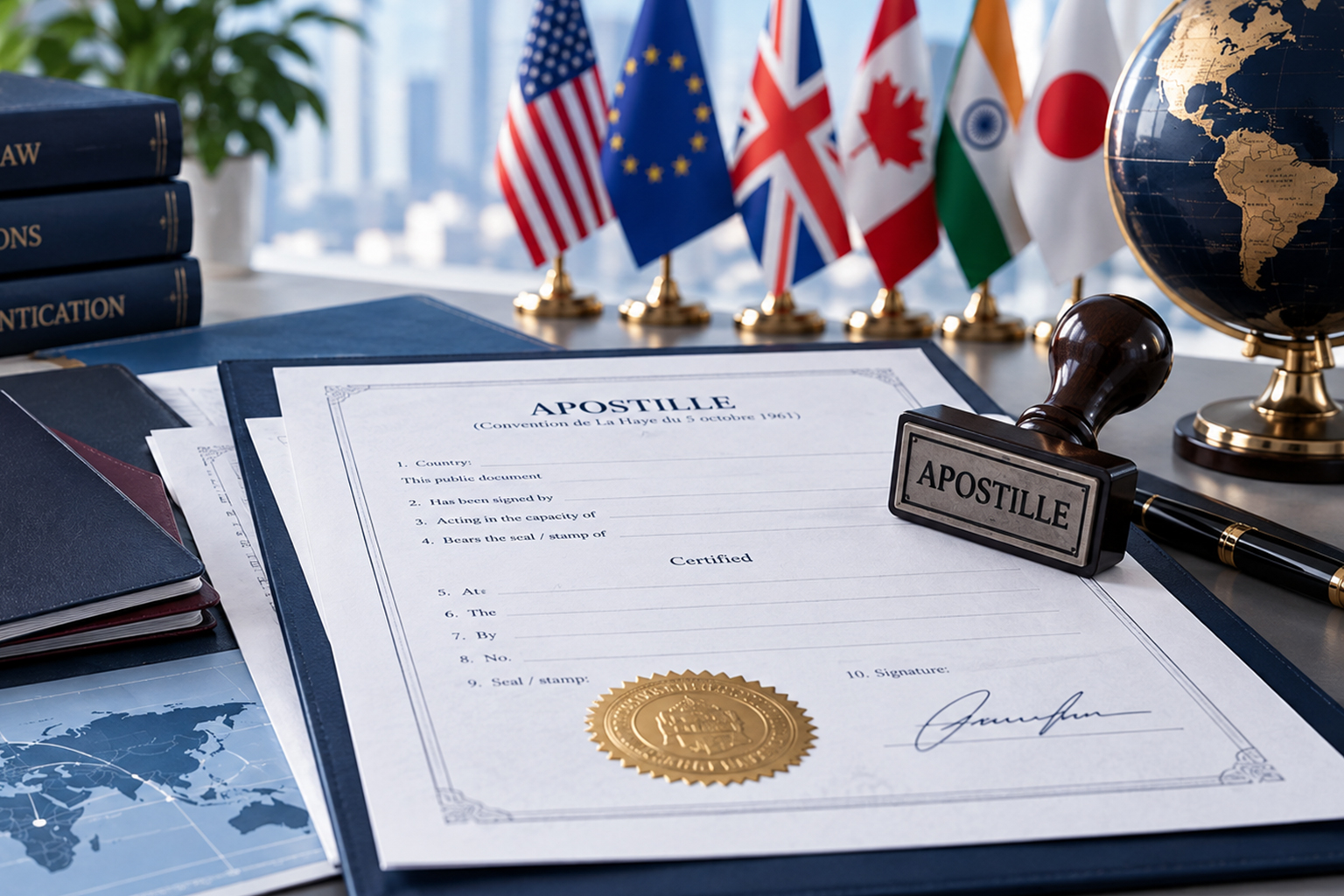
An Apostille helps a public or notarized document become acceptable in another country that recognizes Apostille. In biotech, this often connects to overseas expansion, foreign research partnerships, product registrations, licensing deals, or investor reviews.
Not every biotech document needs an Apostille. Internal lab notes, casual emails, routine invoices, and draft agreements usually do not. Apostille support is more common when a document proves company status, signing authority, or official permission.
Biotech companies may use Apostille for:
- Sending company records to foreign regulators
- Authorizing foreign counsel to file documents
- Supporting international licensing agreements
- Proving company status to research partners
- Preparing sworn statements for overseas use
- Submitting records for foreign business registration
- Providing board resolutions to overseas investors
In these situations, international document authentication can reduce confusion and help foreign recipients confirm that the document came from the right source.
Which Records Need Authentication?
The records that need authentication depend on the country, recipient, and purpose. A foreign regulator may ask for one document, while an investor or university partner may ask for another. This is why biotech companies should avoid guessing.
Documents that may need review include:
- Certificates of formation or incorporation
- Certificates of good standing
- Board resolutions
- Powers of attorney
- Corporate authorization letters
- Patent assignment documents
- Licensing-related documents
- Research collaboration agreements
- Notarized affidavits
- Translated company records
For example, a New Jersey biotech company entering a research partnership in Singapore may be asked to prove that its officer can sign the agreement. A simple signature page may not be enough. The partner may request a notarized authorization with an Apostille before accepting the document.
This is where Apostille for biotech documents becomes practical. It is not only about paperwork. It is about keeping the business process moving.
Common Document Mistakes
Many Apostille problems begin before the document is submitted. In biotech, small details can cause large delays because foreign reviewers often compare every name, date, title, seal, and signature.
Common problems include:
- Company names that do not match official records
- Signer titles that are missing or outdated
- Documents signed by someone without clear authority
- Notary wording that is incomplete
- Attachments missing from the signed packet
- Translation needs discovered too late
- Documents issued in another state but sent through New Jersey
- Federal records treated like state records
A biotech company may prepare a board resolution for a foreign licensing deal, but the officer’s name may appear differently across the agreement, certificate of good standing, and power of attorney. That mismatch can create questions and force the team to correct the packet.
These are not rare problems. They happen when legal, regulatory, finance, and executive teams are moving quickly, and no one reviews the full document set together.
How Delays Affect Biotech
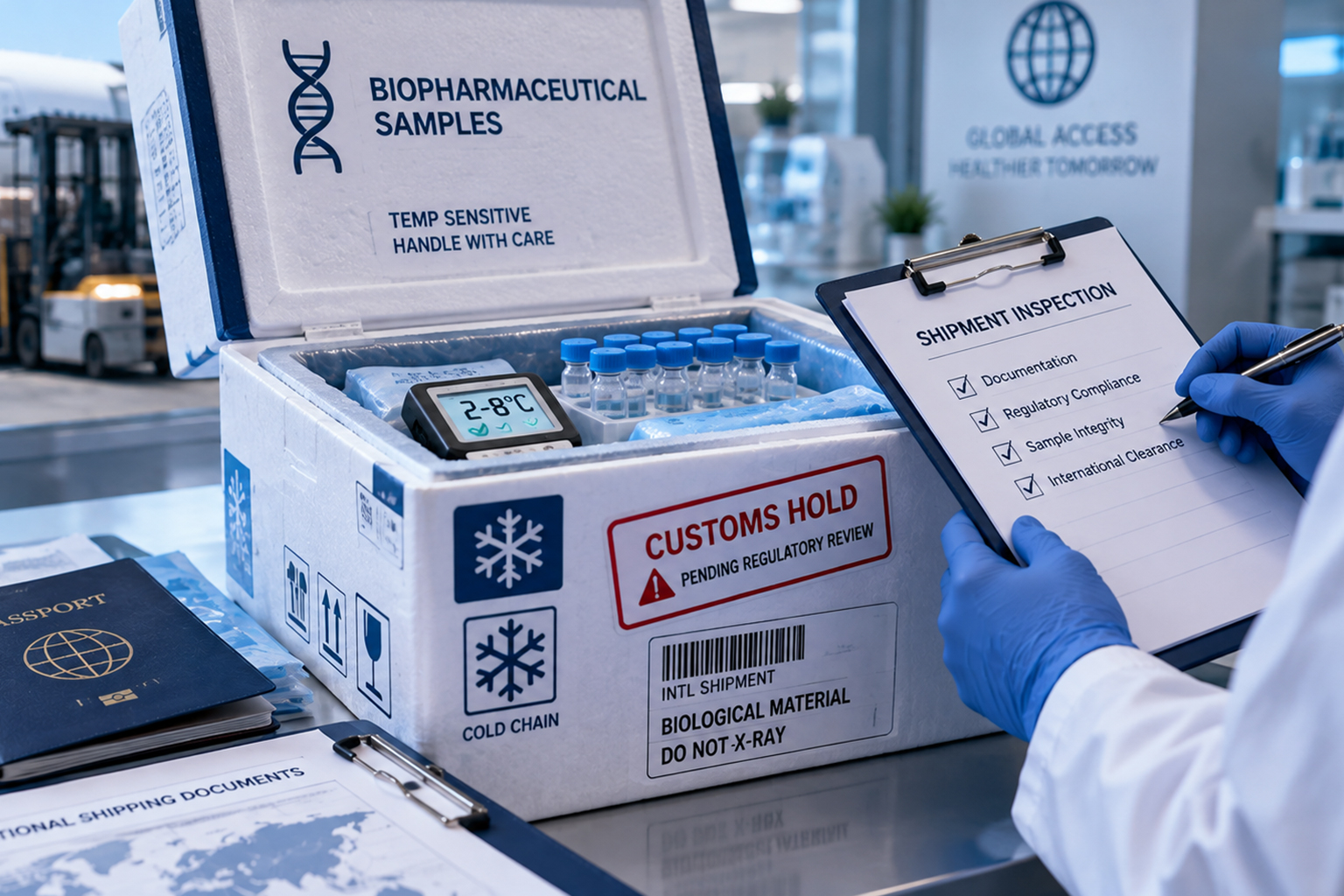
In biotech, document delays can affect more than filing dates. A late Apostille may slow a research start date, delay a product registration step, hold up investor review, or affect a licensing milestone. When work involves different countries and time zones, even a short delay can create pressure.
Imagine a New Jersey life sciences company sending authorization documents to foreign counsel for a product filing. If the notarization is incomplete, the documents may be rejected. The company then needs to arrange a new signing, repeat notarization, request Apostille support, and resend the documents overseas.
That delay may affect a filing window or push back a partner’s review. It can also create stress for teams already managing clinical, legal, and commercial tasks.
The good news is that many delays can be avoided. A careful review before signing can catch missing authority, wrong names, unclear document type, or translation needs before they become urgent.
What Should Teams Check?
Biotech teams often work fast, but Apostille planning needs a clear process. Before sending documents abroad, the team should confirm what the foreign recipient needs and how the document will be used.
Before requesting an Apostille, teams should check:
- Which country will use the document
- Who will receive it and why
- Whether notarization is needed first
- Whether an original document is required
- Whether a certified copy is acceptable
- Whether the signer has clear authority
- Whether the company name matches official records
- Whether a translation must be attached
- Whether the document is state-issued, federal, or private
This checklist is useful for Apostille for New Jersey Biotech Company records used abroad, especially when documents support clinical partnerships, overseas registrations, funding activity, or foreign legal filings.
A clear process also protects the company’s image. When documents are clean and consistent, foreign partners are less likely to question the company’s readiness.
Stronger Document Planning Ahead
Biotech companies cannot control every regulatory change, foreign review standard, or market condition. They can control how carefully their documents are prepared before they leave New Jersey. In an industry where trust, timing, and accuracy matter, Apostille planning should be treated as part of cross-border readiness, not as an afterthought.
The best approach is simple. Confirm the requirement early. Prepare the correct document. Review names, titles, and signer authority. Complete notarization properly. Then follow the right Apostille path before deadlines become tight. At New Jersey Mobile Notary & Apostille Services, our professionals help biotech clients handle sensitive document needs with practical review, careful preparation, and steady support. Our team understands that behind every document there may be a research timeline, investor request, regulatory filing, or international opportunity that should not be delayed by avoidable paperwork mistakes.
Frequently Asked Questions
Question: Do all biotech documents require an Apostille?
Answer: No. Many internal documents do not require an Apostille. Apostille support is generally used when an official document is to be used in another country. This can be company documents, power of attorney, board resolutions, or notarized statements.
Question:Why do foreign biotech partners ask for apostilled documents?
The foreign partner may want to see proof that the document is genuine, properly signed, and concerns an official public authority or notary. This allows them to depend on the document for business, research, legal, or regulatory processes.
Question: Can an Apostille correct a document error?
Answer: No. The Apostille authenticates the authority of the public official or notary. It does not solve incorrect names, missing signatures, unclear authority of the signer, or weak wording of a document. These must be corrected prior to submission.
Question: What are the best biotech stocks to watch first?
Answer: Companies should review, first of all, certificates of good standing, board resolutions, powers of attorney, corporate authorization letters, patent assignments, licensing documents, and notarized affidavits.
Question: When should biotech companies do Apostille planning?
Answer: If a foreign recipient requests official documents, it is time to start planning the Apostille. Starting early means you don’t have to re-sign documents, deal with notarization problems, delays in translation, or miss international deadlines.